Python libraries make development much easier because you don’t have to build everything from scratch.
Today, the hard part isn’t building everything from scratch anymore; it’s knowing which Python libraries are actually worth learning.
There are libraries for almost everything: web scraping, APIs, automation, and even making your terminal look better. Instead of writing complex code yourself, you can use these libraries, which are already built and tested.
In this article, I’ll share 16 Python libraries that are useful, beginner-friendly, and commonly used in real projects.
Let’s jump right into it! 🚀
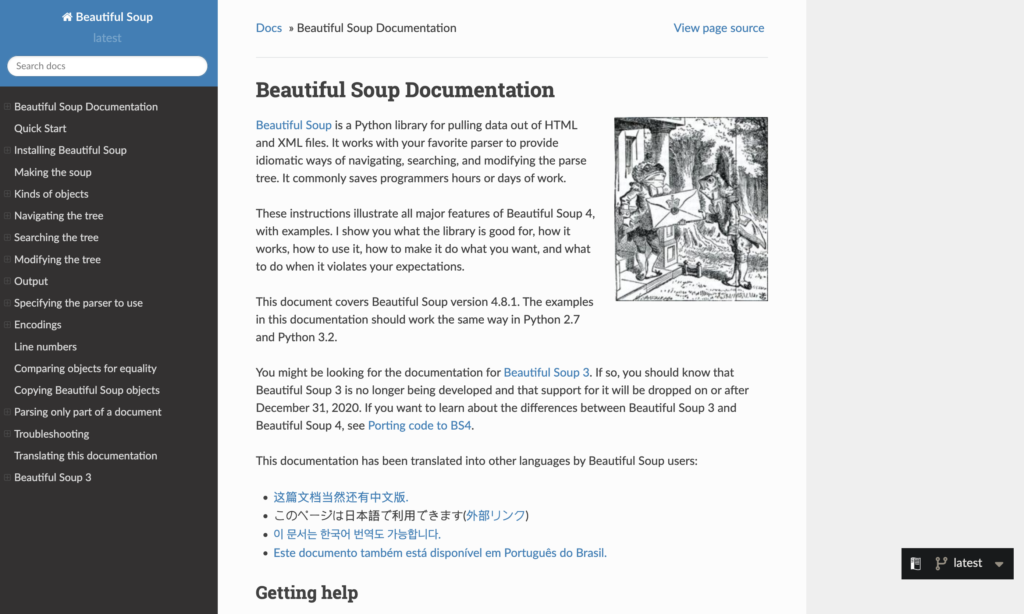
BeautifulSoup
BeautifulSoup helps you collect data from websites easily. You can use it to get article titles, links, product details, tables, and other information from web pages.
It is commonly used with Requests to build simple web scrapers, especially for websites that don’t provide APIs.
What Makes It Great:
- Easy to learn and beginner-friendly.
- Helps extract data from websites quickly.
- Works well with Requests for web scraping projects.
- Great for scraping websites that don’t provide APIs.
Celery
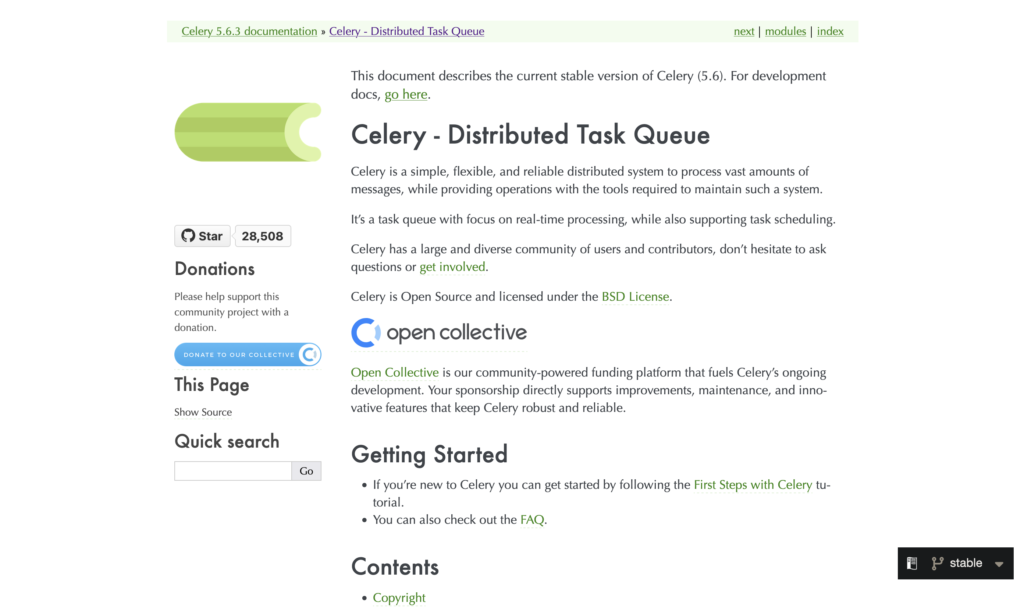
Celery helps you run tasks in the background instead of making users wait for everything to finish.
You can use it for sending emails, processing files, generating reports, or running scheduled tasks without slowing down your main application.
What Makes It Great:
- Runs time-consuming tasks in the background.
- Helps improve app performance and user experience.
- Supports scheduled and recurring tasks.
- Works well with frameworks like Django and Flask.
FastAPI
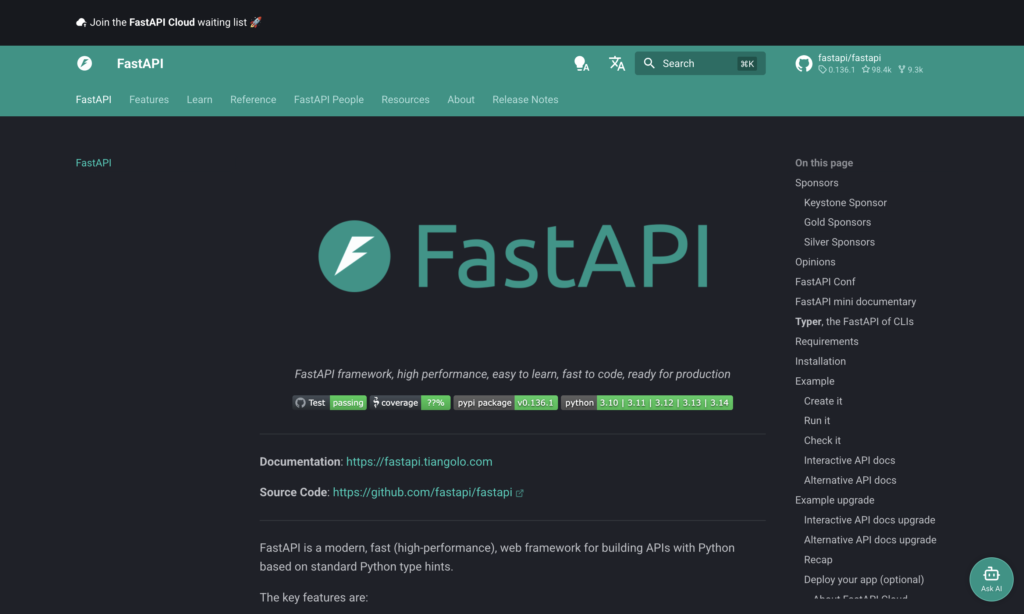
FastAPI is a modern Python framework for building APIs. It is fast, easy to use, and helps you write clean backend code with less effort.
Developers use it for REST APIs, AI applications, and backend services because it includes features like automatic validation and API documentation.
What Makes It Great:
- Very fast and high-performance.
- Automatic API documentation.
- Built-in data validation using Pydantic.
- Clean and beginner-friendly syntax.
Flask
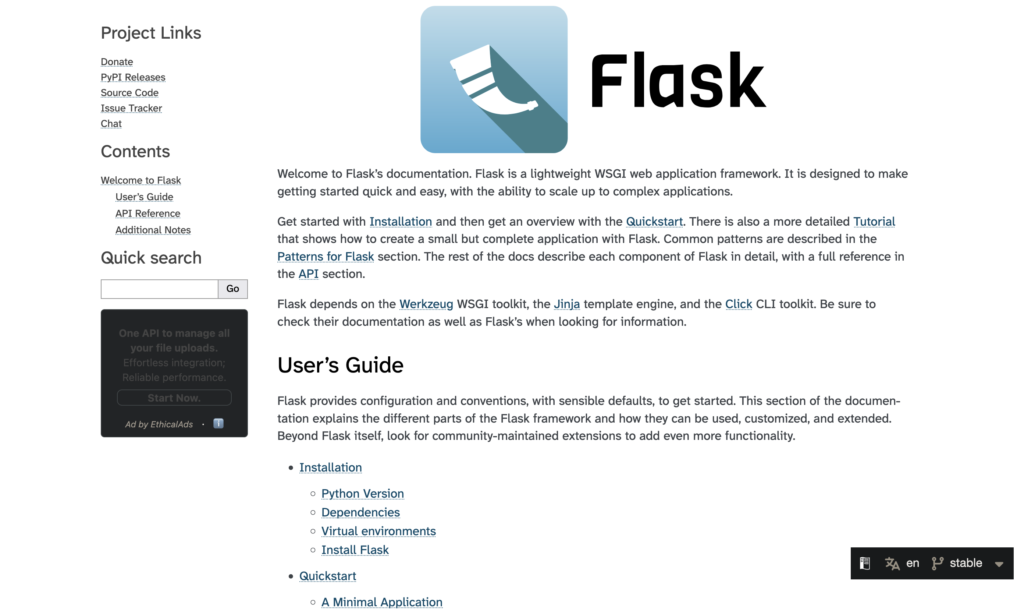
Flask is a lightweight Python framework for building web apps and APIs. It keeps backend development simple and gives developers more flexibility and control.
It’s a great choice for beginners who want to learn backend development with Python.
What Makes It Great:
- Simple and easy to understand.
- Flexible project structure.
- Perfect for small to medium projects.
- Large community and lots of tutorials available.
Matplotlib
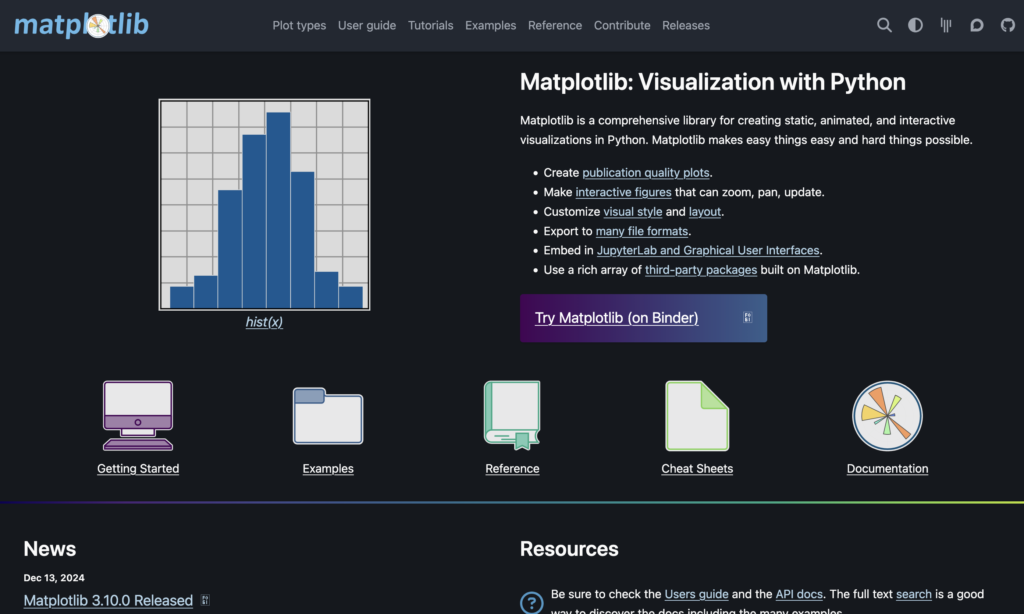
Matplotlib helps you create charts, graphs, and data visualisations in Python. It turns raw data into visual content that’s easier to understand and analyse.
It’s commonly used in data science, analytics, and reporting projects.
What Makes It Great:
- Supports many types of charts and graphs.
- Useful for data analysis and reporting.
- Highly customizable visualisations.
- Works well with NumPy and Pandas.
NumPy
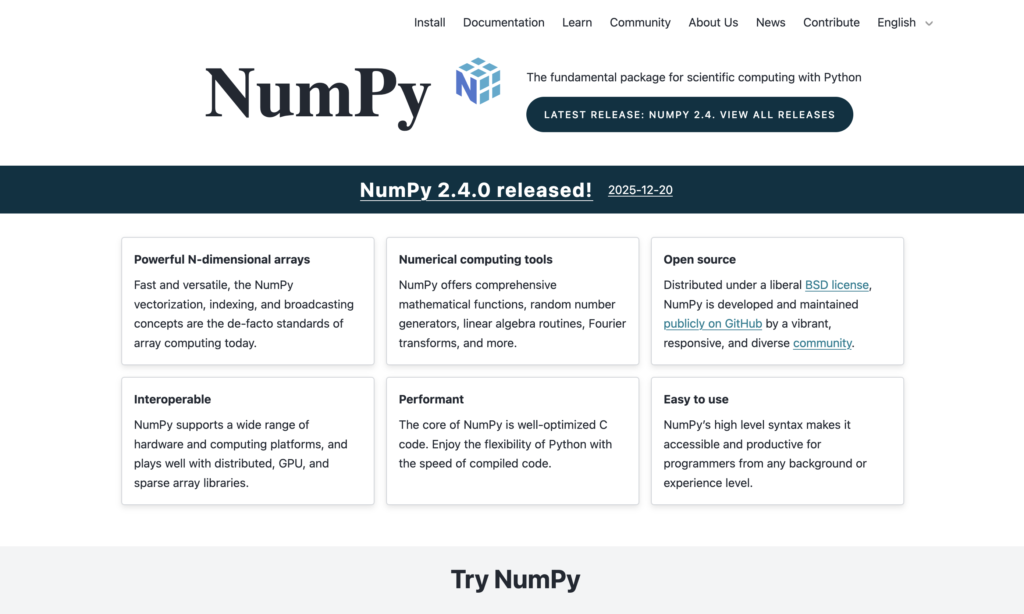
NumPy is a powerful Python library used for numerical computing and mathematical operations. It helps you work with arrays, matrices, and large amounts of data more efficiently.
Many data science, machine learning, and AI libraries are built on top of NumPy.
What Makes It Great:
- Faster numerical operations than regular Python lists.
- Powerful array and matrix support.
- Commonly used in data science and AI projects.
- Foundation for many other Python libraries.
Pandas
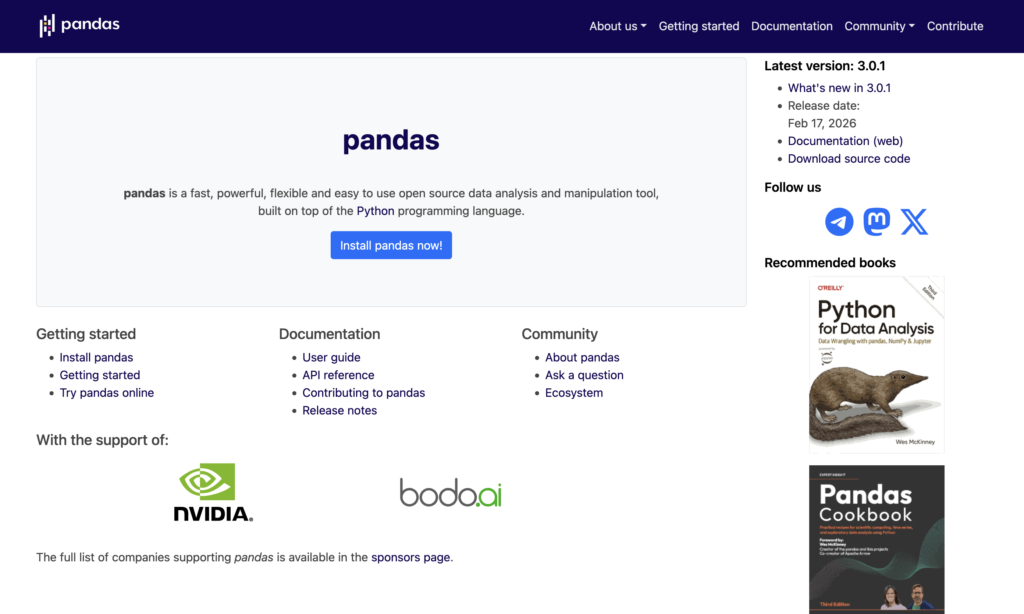
Pandas helps you work with structured data in Python. It makes tasks like cleaning, filtering, organising, and analysing data much easier.
It’s one of the most popular libraries used in data science, analytics, and machine learning projects.
What Makes It Great:
- Makes data handling simple and readable.
- Great for CSV, Excel, and database data.
- Powerful filtering and analysis features.
- Saves a lot of time when working with large datasets.
Pydantic
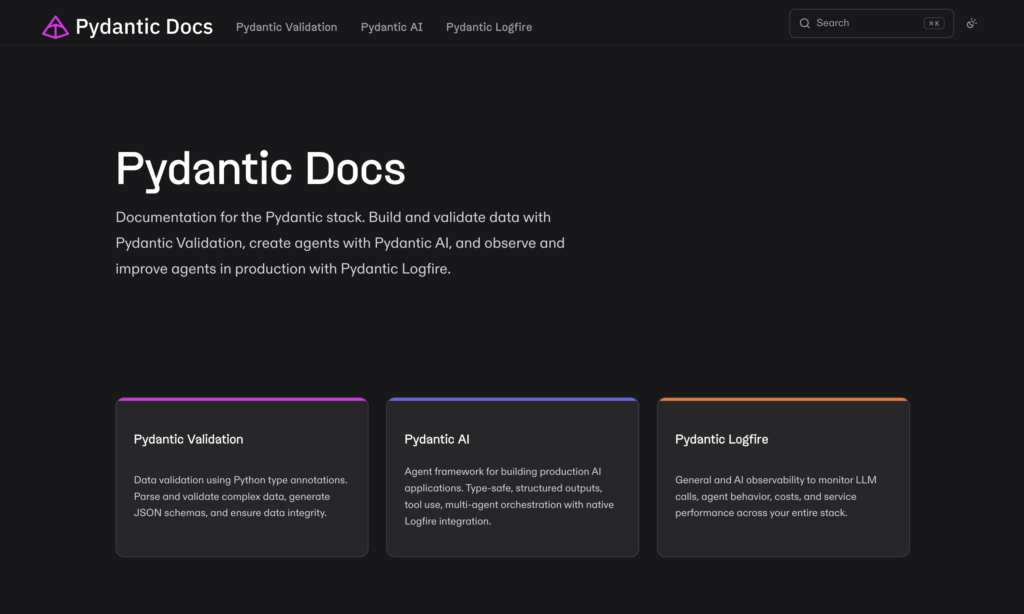
Pydantic helps you validate and structure data in Python applications. It makes sure your app receives clean and correctly formatted data.
It’s commonly used with FastAPI for handling API requests and validation.
What Makes It Great:
- Automatic data validation.
- Cleaner and more reliable APIs.
- Easy integration with FastAPI.
- Helps reduce bugs caused by invalid data.
Pytest
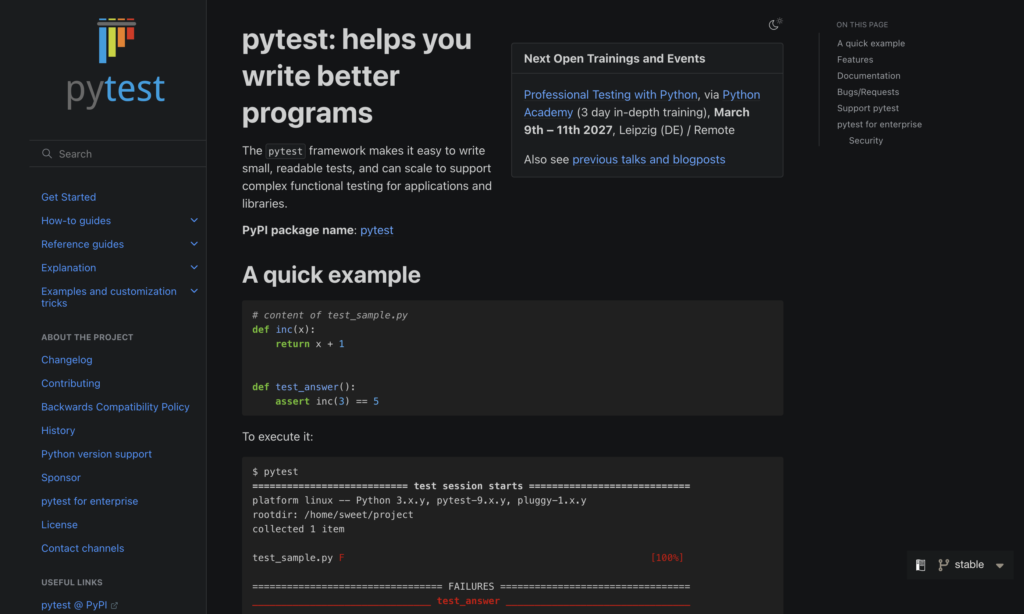
Pytest helps you test Python applications easily. Instead of checking everything manually, you can write automated tests to make sure your code works correctly.
It’s widely used in professional Python projects to catch bugs and improve code quality.
What Makes It Great:
- Simple and readable syntax.
- Helps catch bugs early.
- Supports unit and integration testing.
- Easy to scale for larger projects.
Python-dotenv
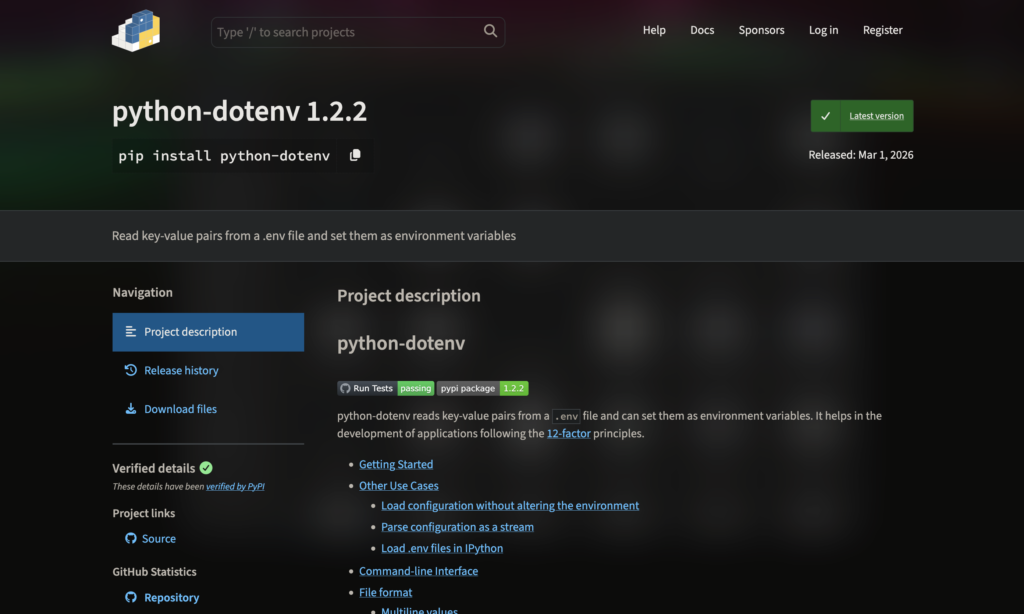
Python-dotenv helps you manage environment variables using a .env file. You can store secret keys, database URLs, and API credentials separately instead of hardcoding them in your project.
This makes your code cleaner, safer, and easier to manage.
What Makes It Great:
- Keeps sensitive data secure.
- Easy setup for environment variables.
- Useful for local development.
- Commonly used in modern Python projects.
Requests
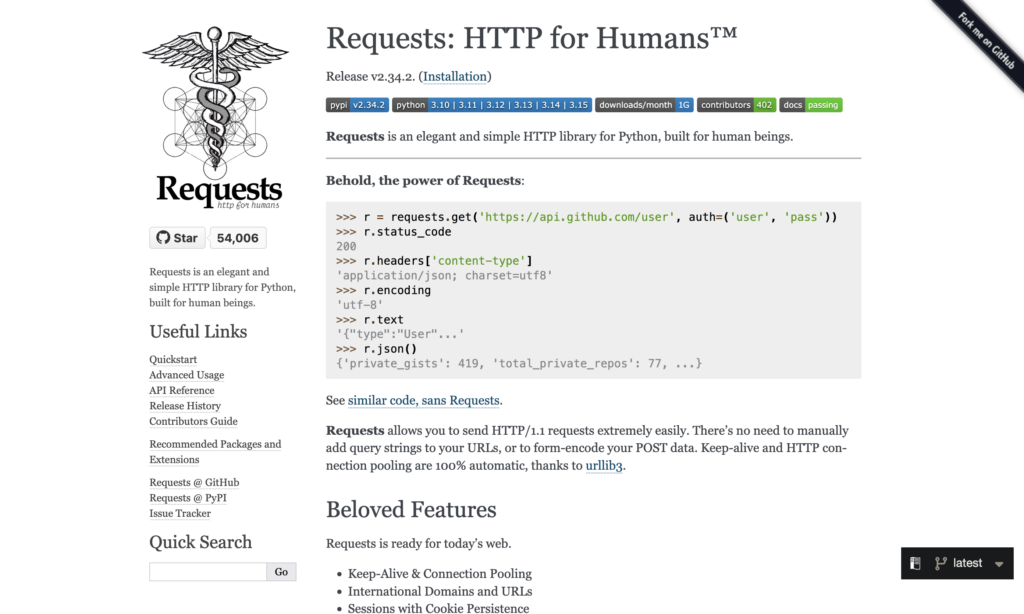
Requests is one of the most popular Python libraries for working with APIs and web requests. It makes sending HTTP requests simple and easy to understand.
You can use it to fetch API data, submit forms, download content, or connect with web services.
What Makes It Great:
- Very easy to use.
- Simplifies API requests.
- Cleaner syntax compared to built-in tools.
- Commonly used in web scraping and automation.
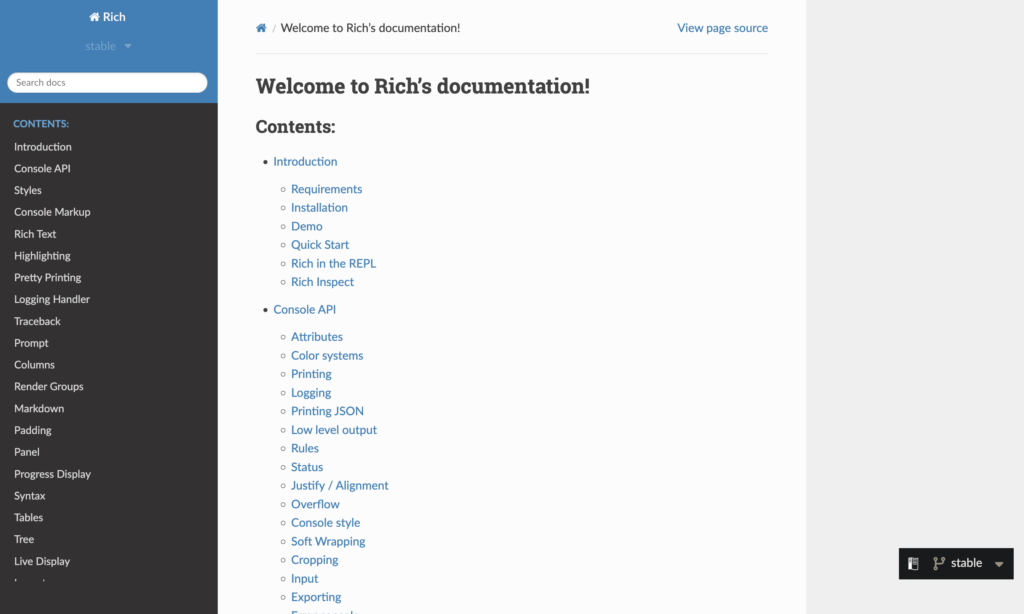
Rich
Rich helps you create beautiful terminal output in Python. You can easily add colors, tables, progress bars, and better-looking logs to your command-line applications.
It’s great for making CLI tools look cleaner, more modern, and easier to use.
What Makes It Great:
- Beautiful terminal formatting.
- Easy progress bars and tables.
- Improves debugging and logs.
- Great for CLI applications.
Selenium
Selenium helps you automate browser tasks using Python. It can open websites, click buttons, fill forms, and interact with web pages automatically.
It’s commonly used for automated testing, web scraping, and handling websites that use a lot of JavaScript.
What Makes It Great:
- Automates browser actions easily.
- Useful for testing web applications.
- Works with multiple browsers.
- Handles JavaScript-heavy websites.
SQLAlchemy
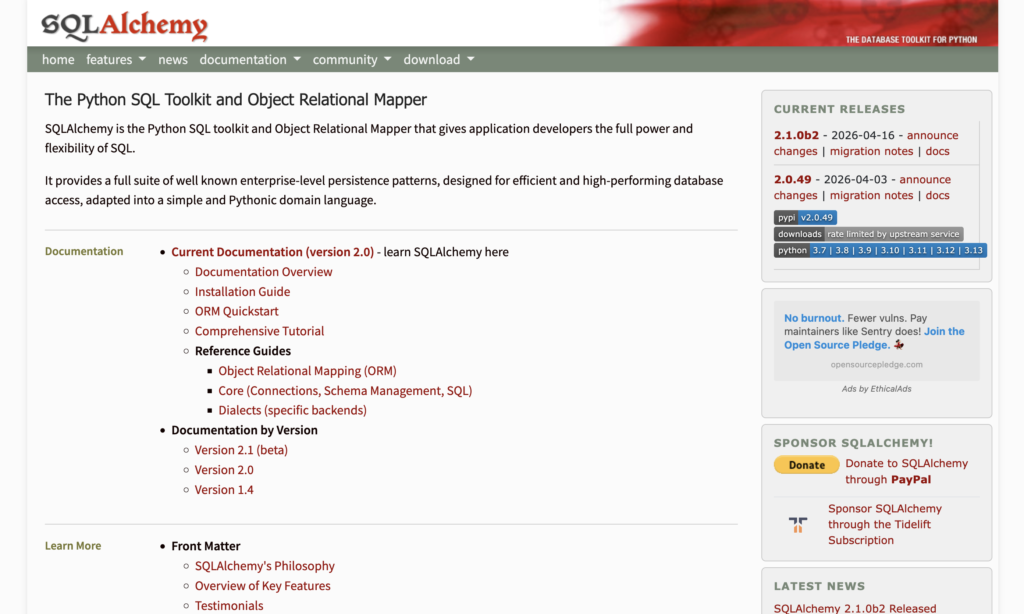
SQLAlchemy helps you work with databases in Python more easily. Instead of writing raw SQL queries again and again, you can manage databases using Python code.
It supports many SQL databases and is commonly used in backend and web applications.
What Makes It Great:
- Cleaner database operations.
- Supports multiple SQL databases.
- Powerful ORM support.
- Makes backend development easier.
Streamlit
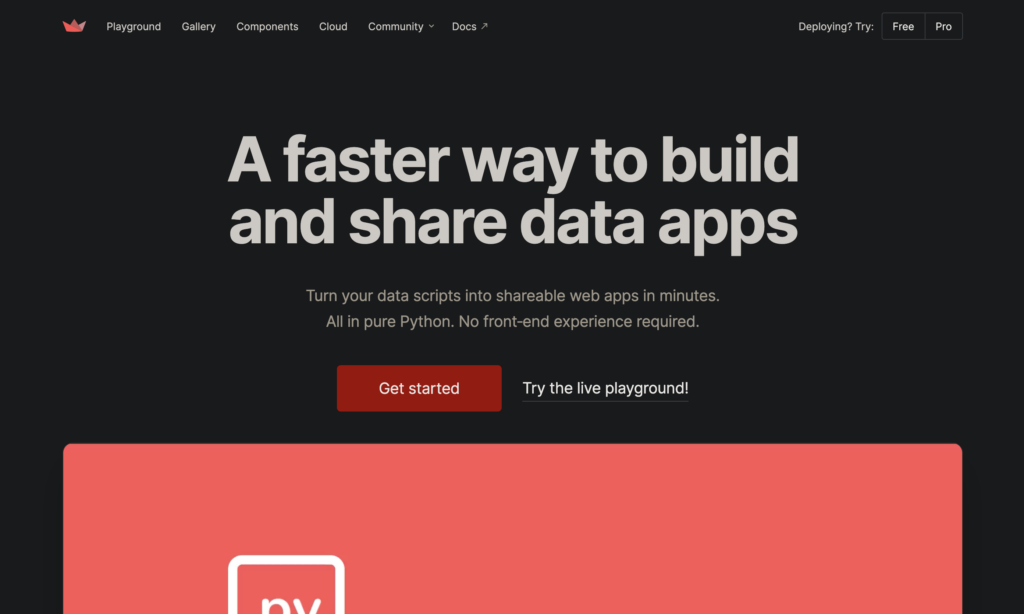
Streamlit helps you build interactive web apps using only Python. You can turn your data science or AI scripts into simple web apps without learning frontend development.
It’s commonly used for dashboards, machine learning demos, and internal tools.
What Makes It Great:
- Build apps with very little code.
- Great for AI and data science projects.
- Beginner-friendly setup.
- Fast way to create dashboards and demos.
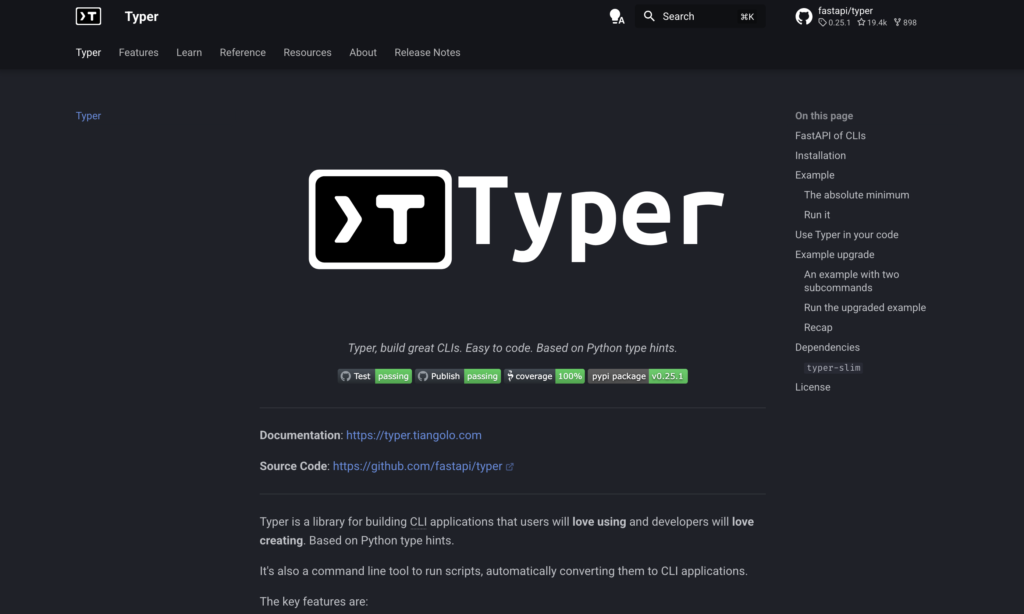
Typer
Typer helps you build command-line tools in Python easily. It has clean syntax, automatic help commands, and makes CLI app development much simpler.
It’s great for automation scripts, developer tools, and small utilities.
What Makes It Great:
- Easy way to build CLI tools.
- Automatic documentation and help commands.
- Clean and modern syntax.
- Great for developer utilities and scripts.
That’s all for today!
I hope you find these Python libraries helpful!
If you’re new to web development, check out Learnify — my curated platform with beginner-friendly tutorials to help you learn web development step-by-step with examples and simple explanations.
If you enjoy my work and want to support what I do, buy me a coffee!
Every small gesture keeps me going! 💛
Follow me on X (Twitter) to get daily web development tips & insights.
Enjoyed reading? You may also find these articles helpful.
17 Best GitHub Repositories to Learn Python